Pepper Field Notes: May 2026 Garden Update
The peppers have moved from establishment drama into real growth: stronger canopies, early flower structure, and a new round of small chores before the fruit gets heavy.
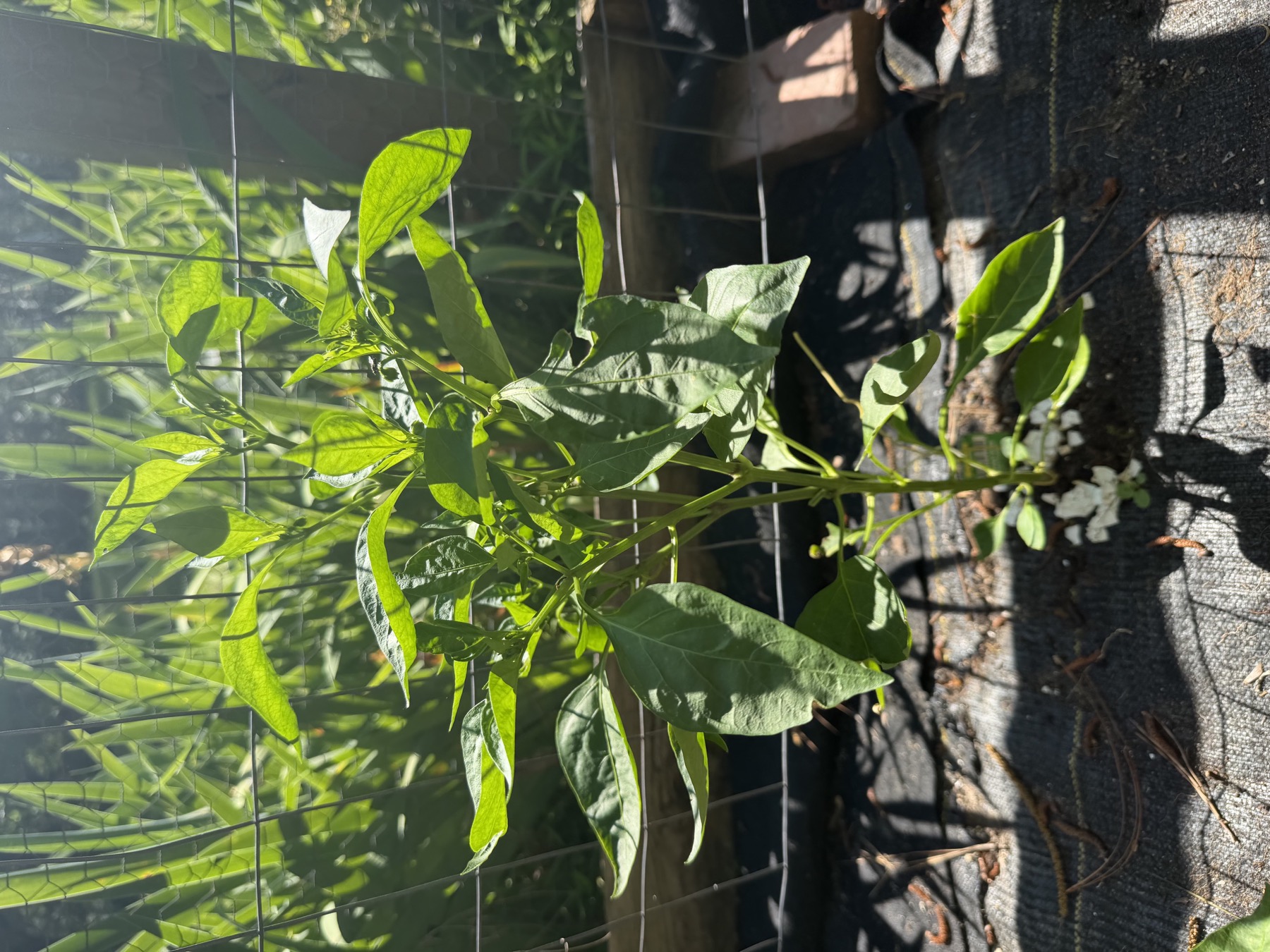
Plants
Raised beds
Varieties
Latest check
On April 9, the pepper garden was mostly promise and recovery. The plants had just gone into two raised beds after a round of bed prep with compost and raised-bed soil, and the earliest notes include the kind of garden sentence that makes you laugh only after the plants survive it: the chickens had pecked at the leaves and disturbed the pots before planting.
The April 27 checkpoint was the first real inventory. Who was leggy, who had chew damage, which tags needed double-checking, where the fabric mulch might run hot, and which plants were already asking for support. The May 22 pass feels different. The plants are not just installed now. They have identities.
That is what I like about the pepper journal. It is not a generic gardening app. It is two beds, ten plants, their exact positions, their photos, their little health histories, and the next thing I should probably do before I forget. Which makes it sit neatly next to the last few posts here.
The agentic-development essay was about personal software becoming practical again. The Tioga post was about using that ability for a very human handoff, not just a listing. The Star Wars timeline was the playful version: a question appeared, so we made the answer visible. The peppers are the slower version of the same loop. A living project produces context every week, and the software gives that context a place to accumulate.
What changed by May 22
The broad read is encouraging: the row is greener, taller, and much more structured than it was in late April. Several plants are starting to show the architecture that will carry flowers and fruit. The recurring advice is less about rescue now and more about prevention: remove only the worst low leaves, keep leaves off the hot fabric, scout under the canopy, tie stems before pods add weight, and shift feeding away from leafy nitrogen toward a pepper or tomato fruiting blend.
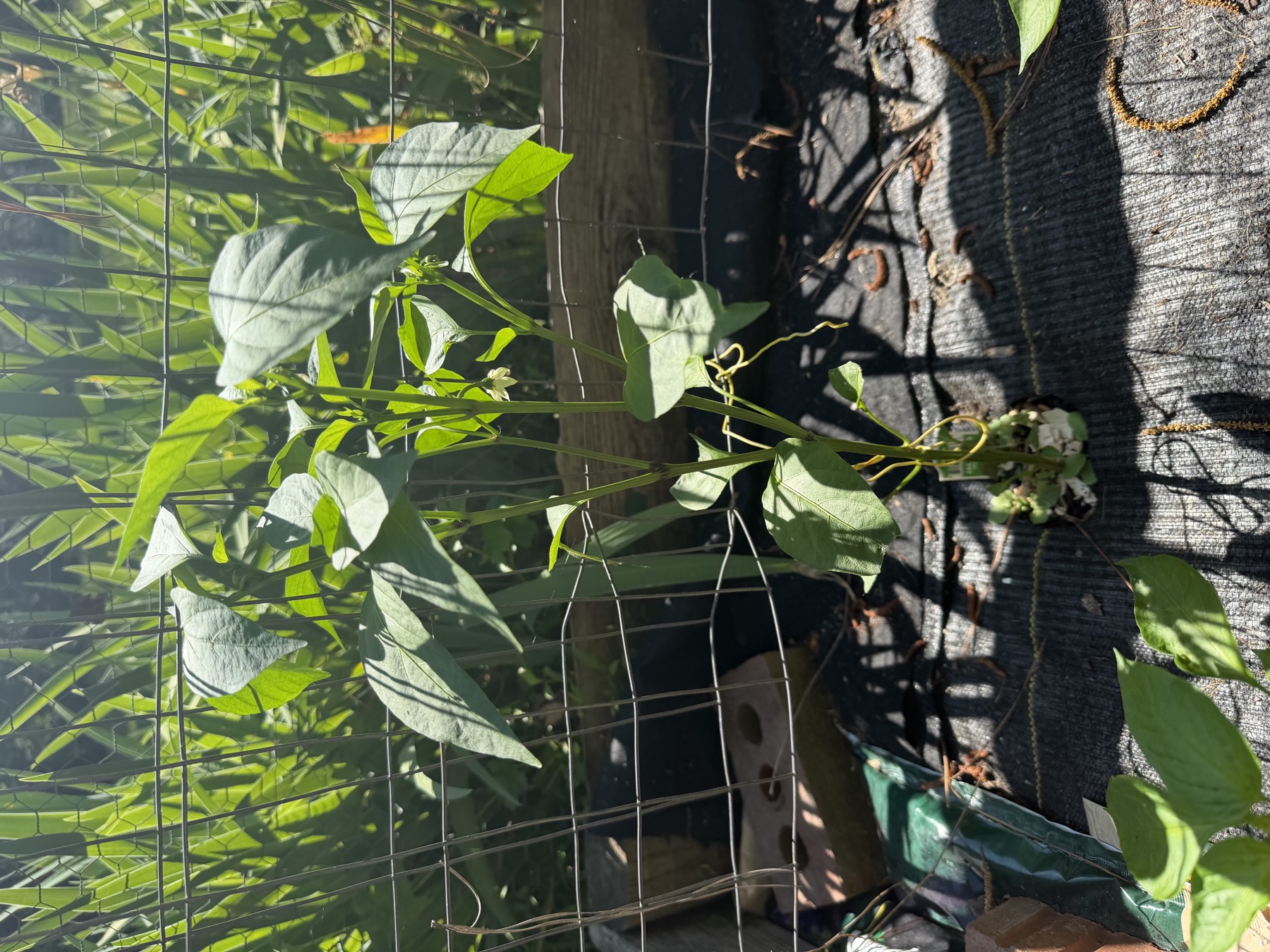
Jalapeño Hot
Upright again, with a stronger main stem and a healthy top canopy. The job now is cleanup at the base and a loose tie before fruit adds leverage.
Anaheim Hot
This one has filled in nicely, with dense green growth and early bloom or fruiting structure. Long Anaheim pods mean support matters soon.
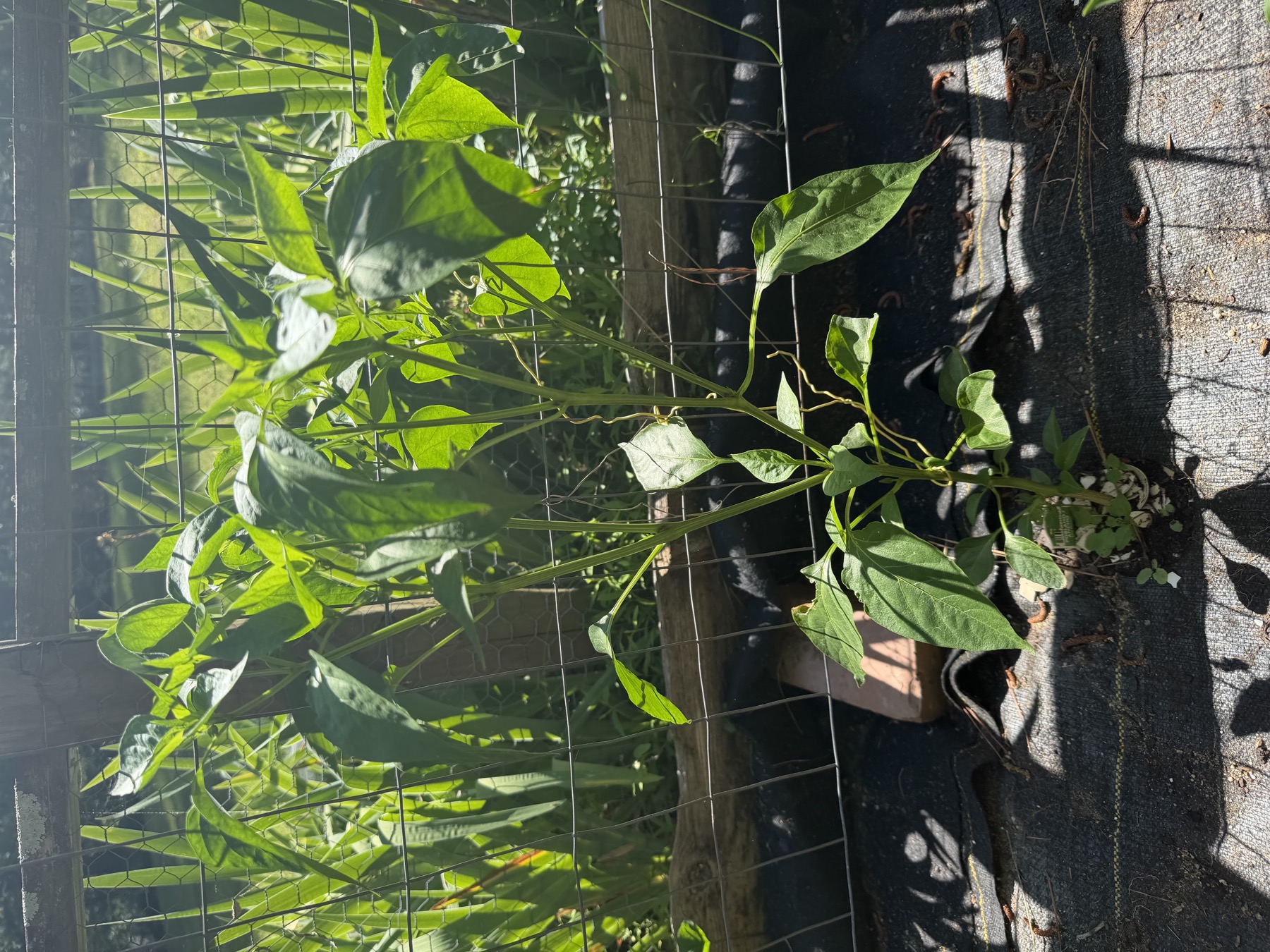
Poblano Ancho
The poblano is becoming a broad, leafy plant. A cage or two stakes will fit its branching habit better than one tight tie.
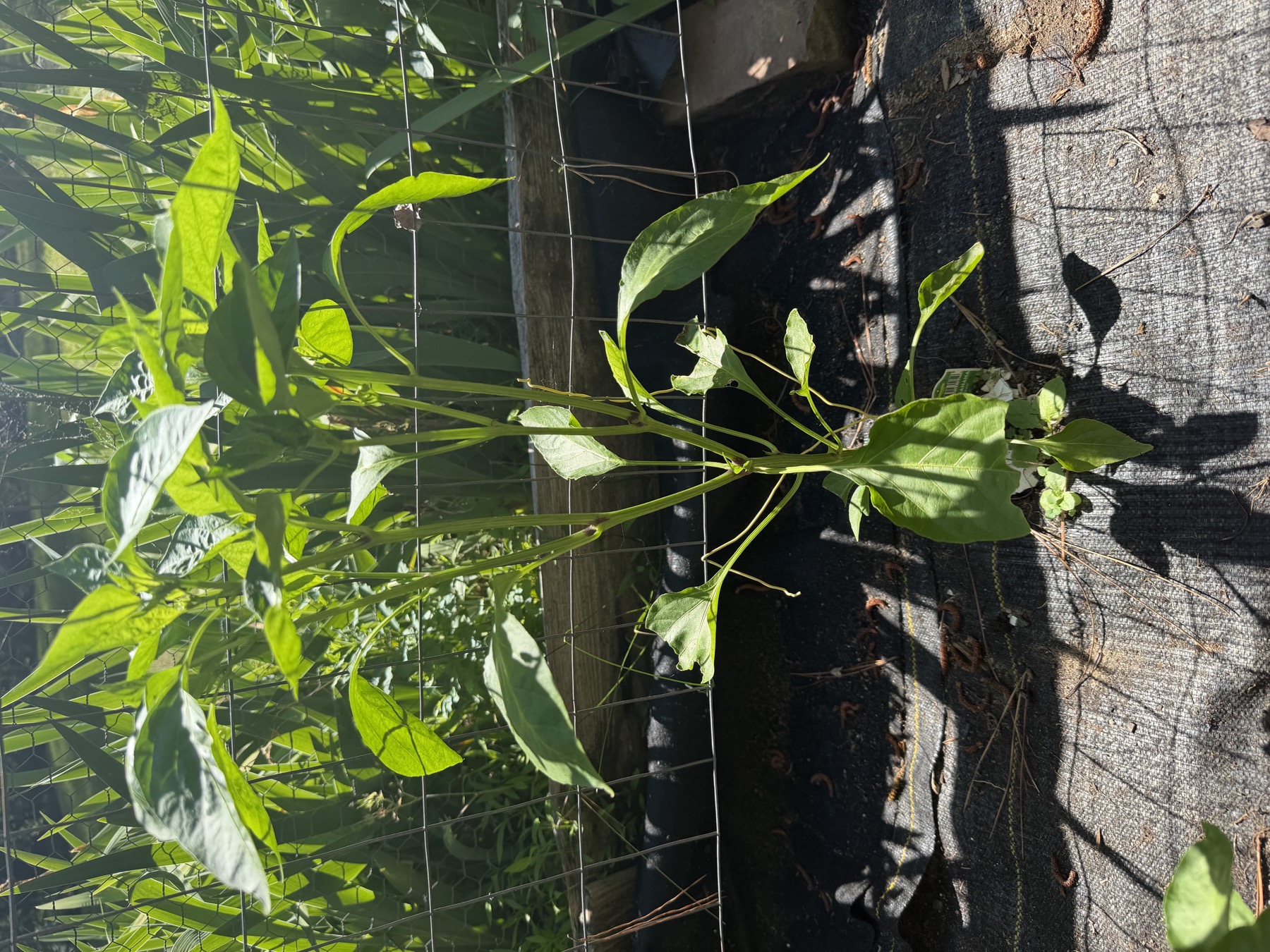
Hot Banana
Still carrying a few tired lower leaves from the establishment period, but the top growth looks good. This is a cleanup-and-steady-water plant now.
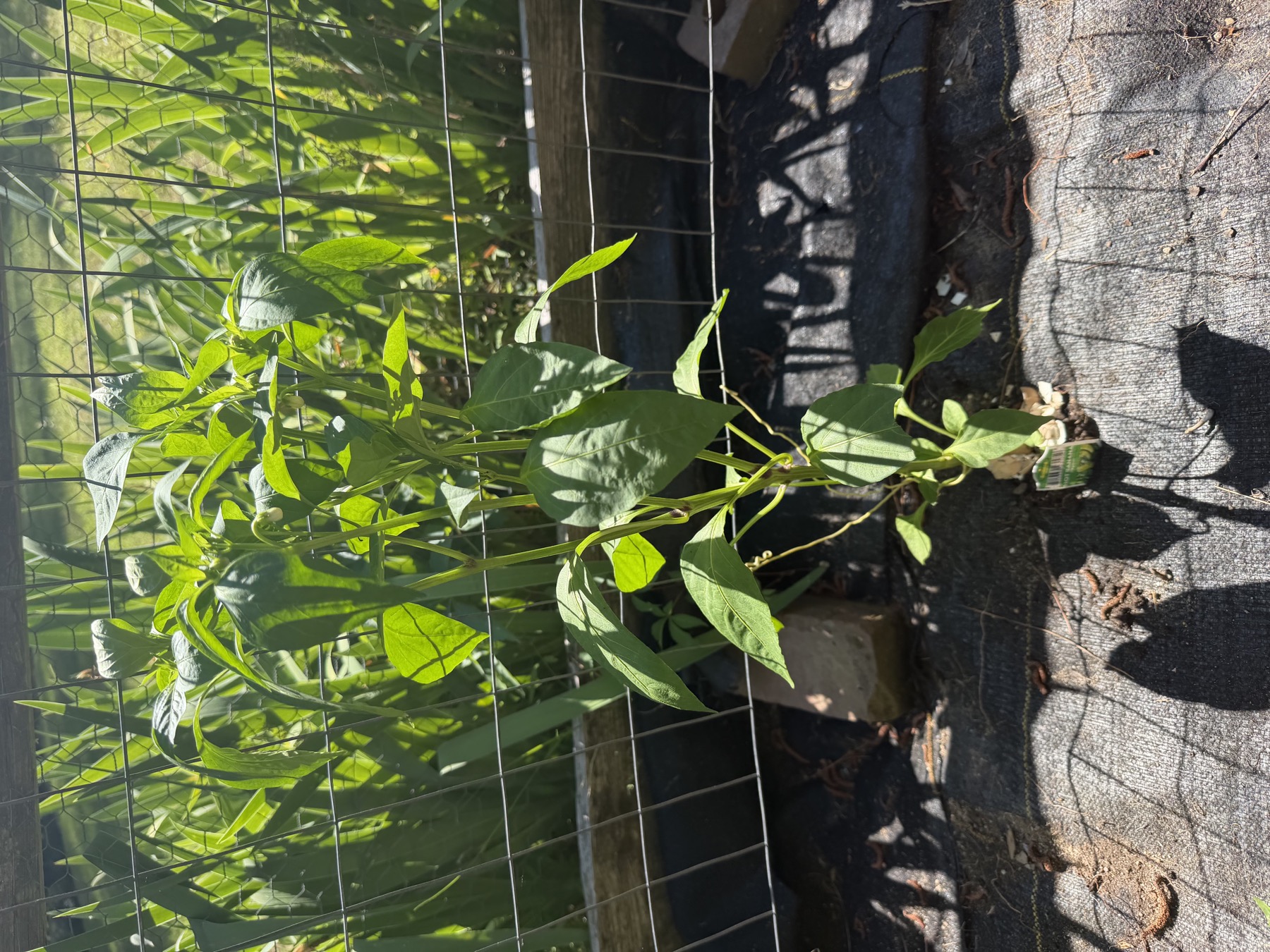
Hot Banana
Taller and more open than its neighbor, with bright new growth up top. A simple stake now should prevent fruit from bending the main stem later.
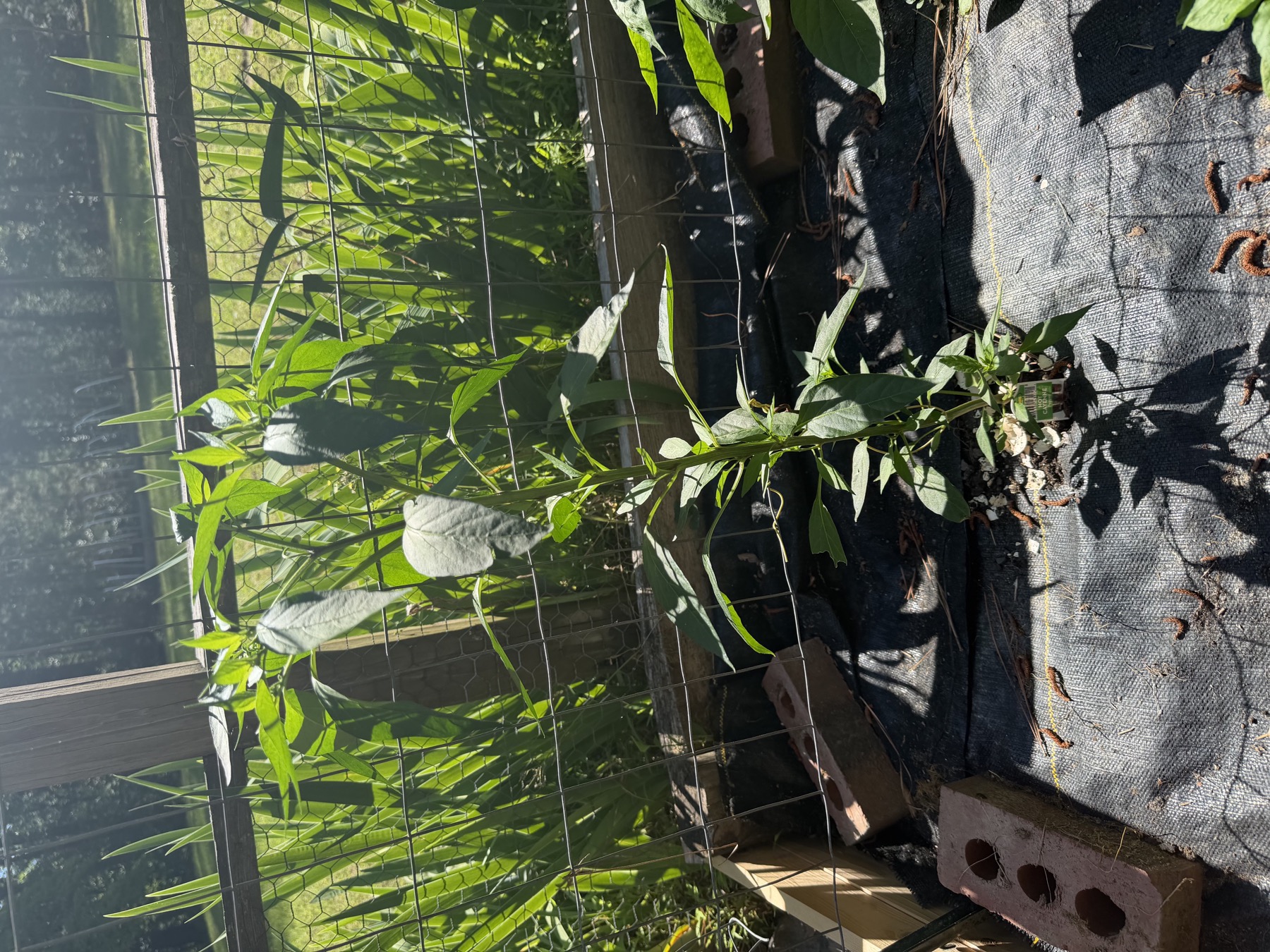
Hot Cayenne
Lean and vertical, as cayennes tend to be. It needs a slim stake or soft trellis tie before a run of pods makes the top heavy.
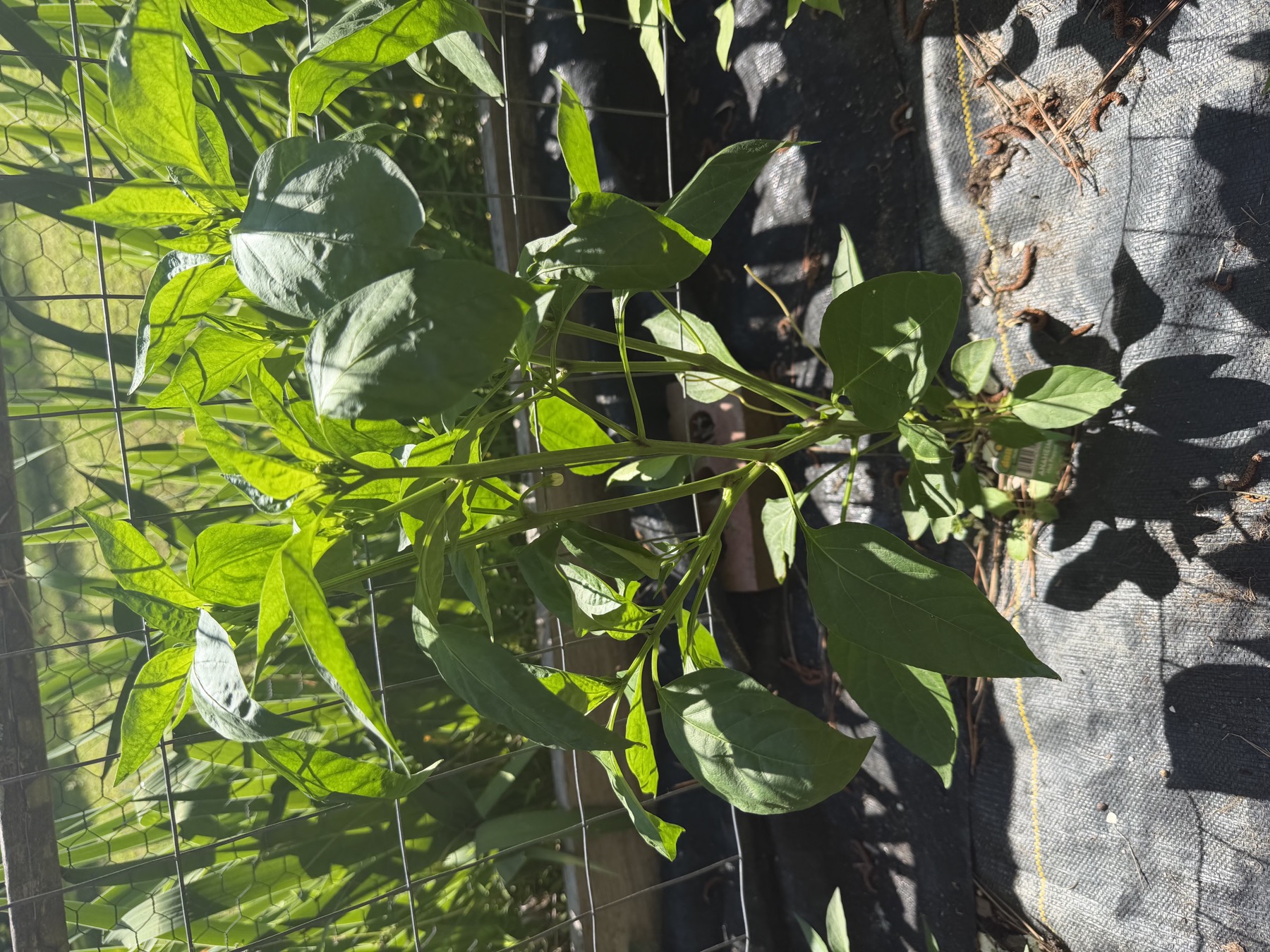
Anaheim Hot
Strong, leafy, and ready for prevention mode. Tie it early, thin only what crowds the base, and keep an eye on flower clusters.
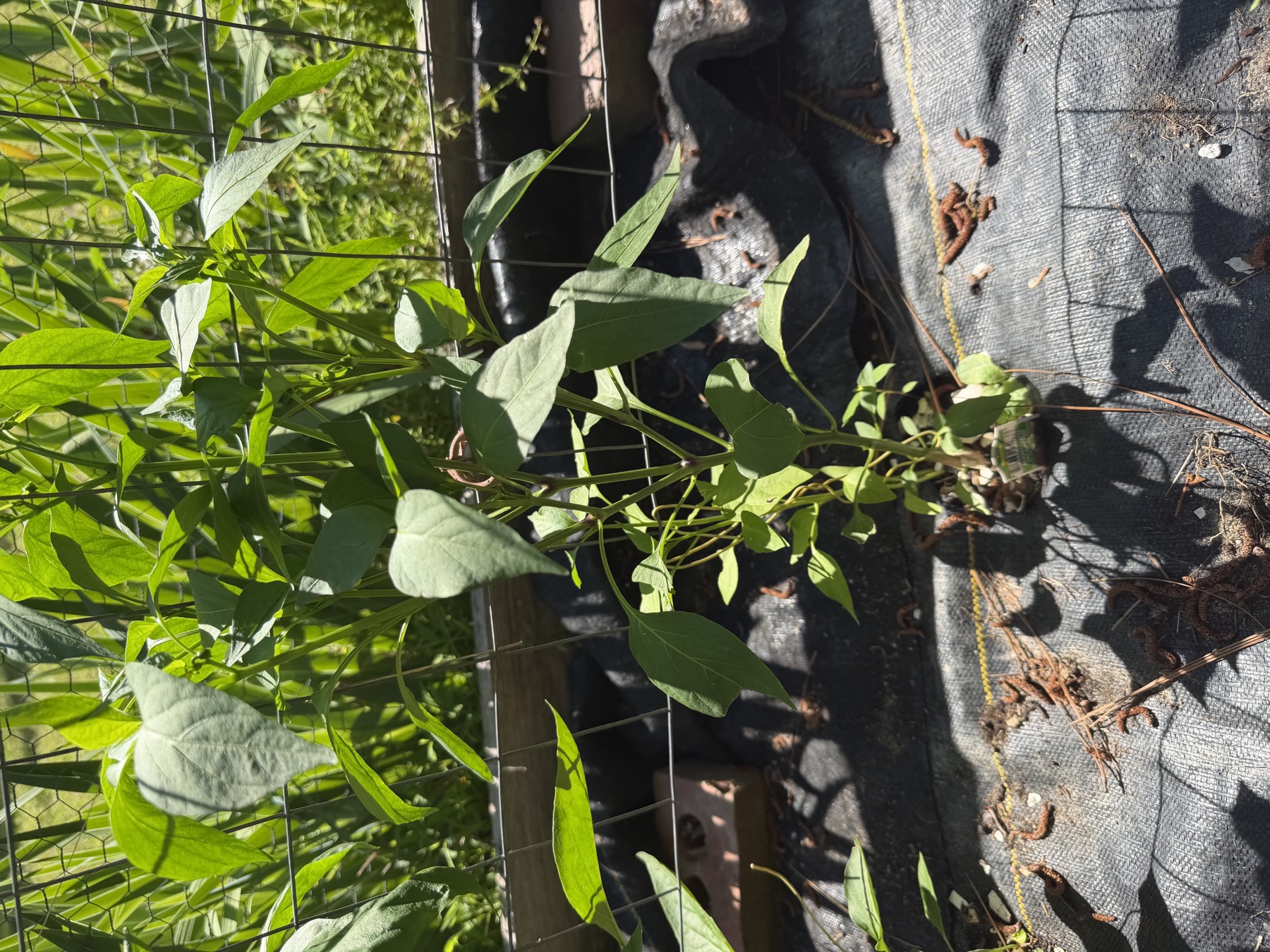
Mammoth Jalapeño
Healthy up top, with a little old scar damage lower down. This variety needs stronger support than it looks like it needs today.
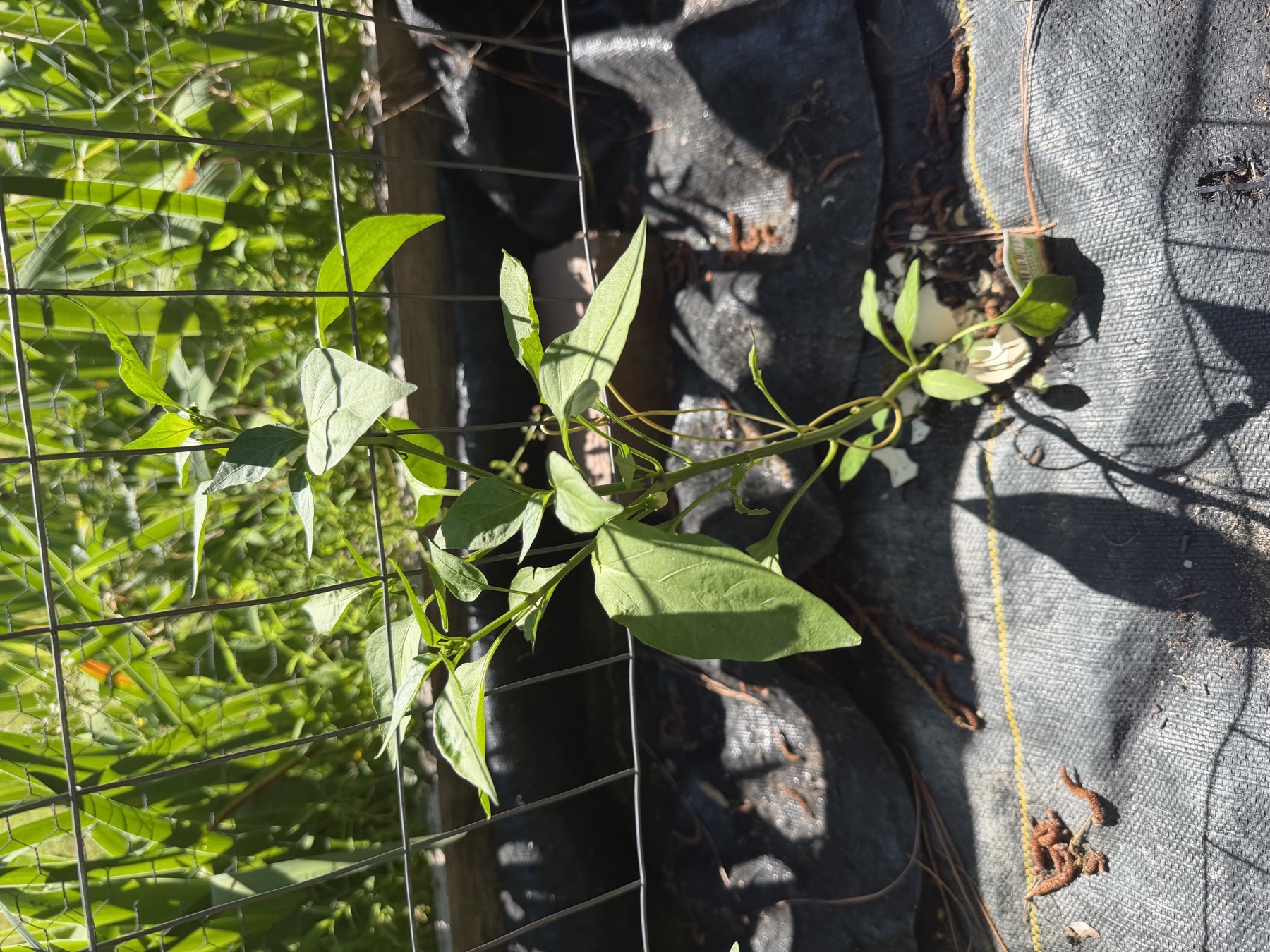
Mammoth Jalapeño
Compact but sturdy, with broad leaves doing the work. The note here is simple: support now, before oversized pods start testing branches.
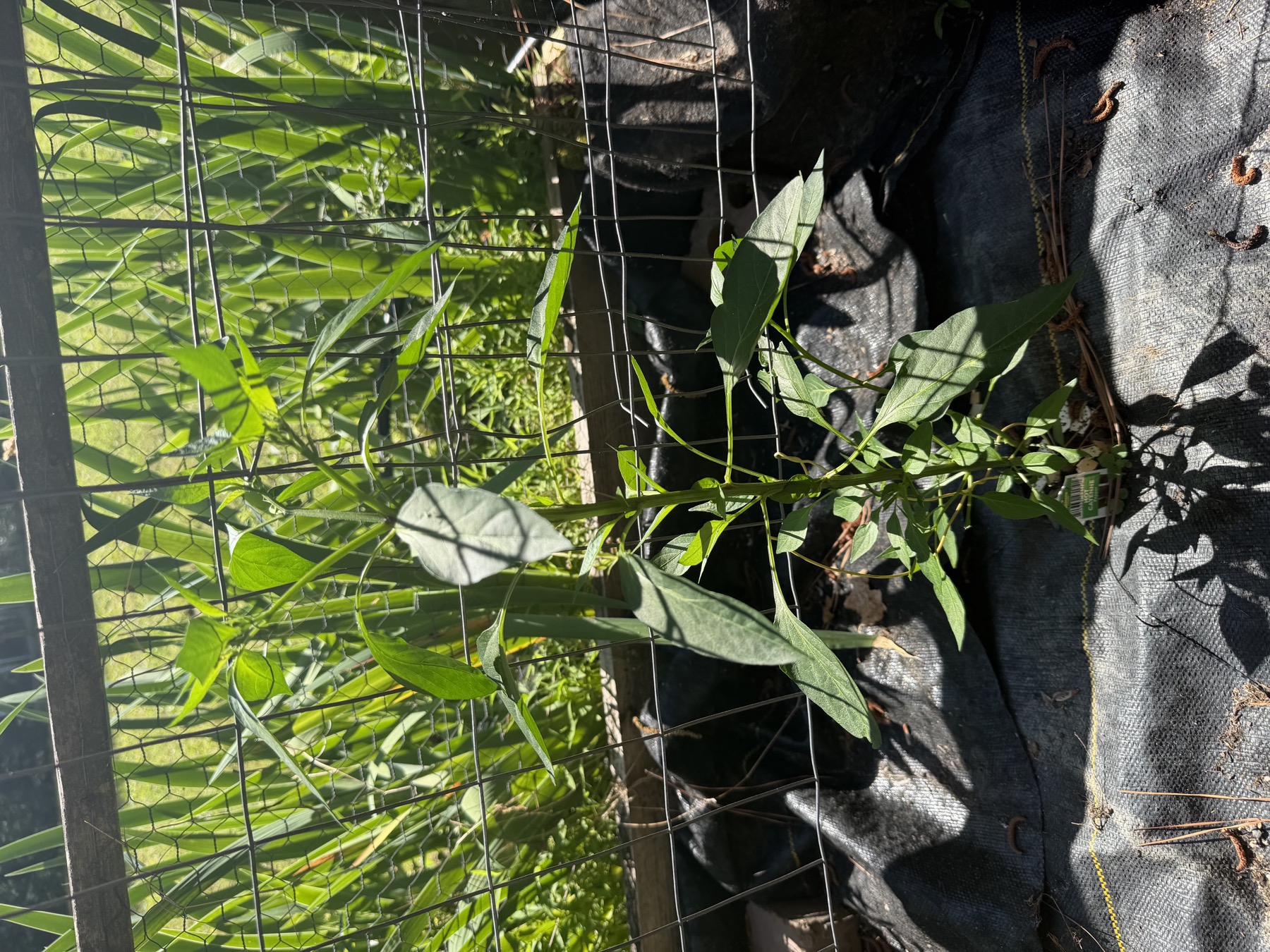
Hot Cayenne
Tall, clean, and open at the bottom. Keep the crown from rubbing the fabric, scout in hot dry stretches, and let it settle into a long harvest window.
The next garden chores
The May 22 notes are almost comically consistent, which is useful. The garden is saying the same thing in ten slightly different accents.
- Support comes next: soft ties, stakes, or cages before the pods make these stems negotiate with gravity.
- Cleanup should stay selective: remove the worst low leaves, especially anything damaged, shaded, or touching fabric.
- Watering needs to stay even: deep at the root zone, no dramatic dry swings, especially as flowers and fruit begin.
- Feeding should turn toward fruit: less extra nitrogen, more modest pepper or tomato fertilizer with phosphorus and potassium.
- Scouting matters under the canopy: aphids, mites, slugs, caterpillars, and heat stress are easier to handle early than late.
Why this belongs with the recent posts
I keep circling the same idea from different angles: personal software is most interesting when it is specific enough to carry affection. A backyard weather app is useful because it answers my exact telescope question. The Tioga site mattered because the camper had a history. The Star Wars timeline was fun because the question came from a real Saturday night with Connie.
The pepper project has that same shape, just with more sunlight. It does not need to become a platform. It does not need onboarding, pricing, or a roadmap. It needs to remember that position 3 is the poblano, that position 8 is the Mammoth Jalapeño with the old lower-stem damage, that May 22 was the day the row started to look confident, and that the next good version of the garden depends on doing a few small things at the right time.
That is enough. Honestly, that is the point.